


Most programming books have a short lifespan. A new version comes out. A framework changes. Best practices shift. And suddenly the book that felt essential a few years ago starts collecting dust on a shelf.
But some programmer books don’t work like that.
They’re not tied to a specific language version or trendy tool. They’re about how programmers think, how they make decisions, how they work with other humans, and how they deal with messy reality. Those are the books you don’t just read once. You come back to them. Sometimes years later. Sometimes at exactly the moment you need them.
What’s interesting is that these programmer books don’t change, but you do. A chapter that felt abstract early on suddenly makes perfect sense after you’ve shipped a few projects or wrestled with real-world code. Advice that once sounded obvious suddenly feels earned.
This list is about those books. Programmer books you don’t outgrow. Books you reread, skim, revisit, or keep close because they keep saying something useful, even when everything else has moved on.
Let’s look at the ones programmers tend to come back to again and again.
Looking for funny programming books in stead? Read this: Top 5 Funny Programming Books That’ll Make You Laugh
What Makes a Programmer Book Re-Readable?
Not every book is meant to be read twice, and that’s especially true in tech. A lot of programming books are useful once, at a very specific moment, and then they’ve done their job. Re-readable programmer books are different.
First, they’re not obsessed with syntax. They focus on ideas, habits, and ways of thinking that don’t expire when a new version is released. You can come back to them years later and still recognize the problems they’re talking about.
Second, they respect the reader’s experience. On a first read, parts of the book might feel theoretical or even obvious. On a second or third read, those same sections suddenly feel personal. The book didn’t change. Your context did.
Good programmer books also allow selective reading. You don’t feel pressure to start at page one and finish at the end. You can dip into a chapter, reread a section, or skim until something clicks again.
Finally, they don’t pretend programming is clean or predictable. They acknowledge trade-offs, uncertainty, and human behavior. That honesty is what makes programmers trust them enough to come back.
With that in mind, let’s get into the books programmers keep returning to.
Top 10 Programmer Books
1. The Pragmatic Programmer
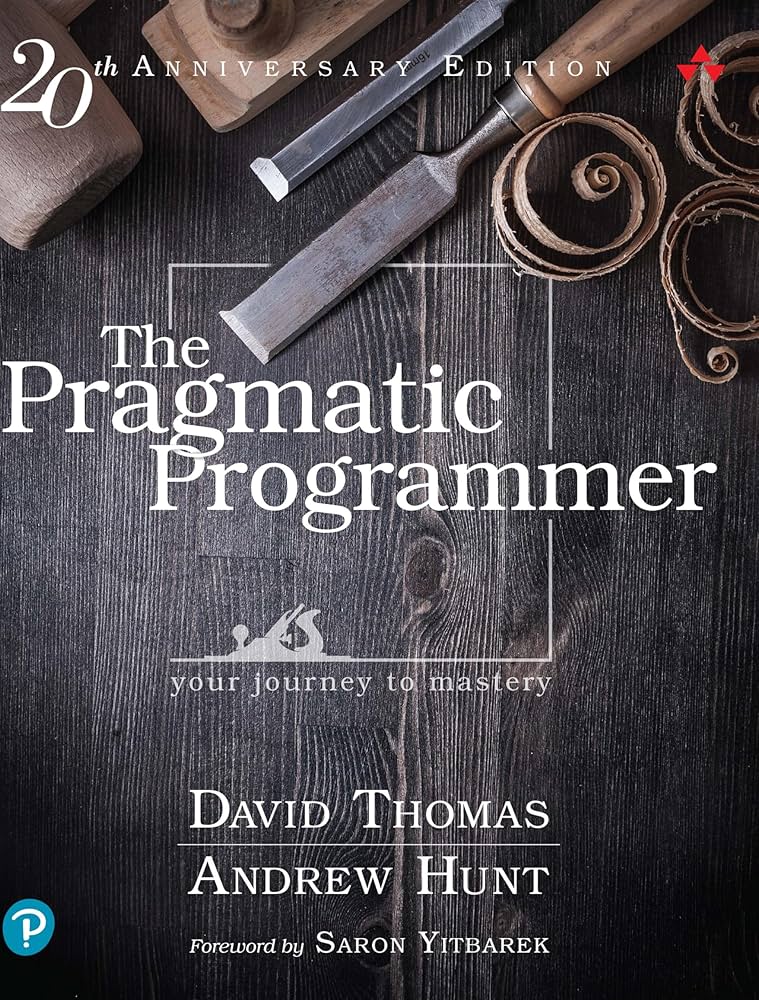
This book has a rare quality: it ages well.
You don’t read The Pragmatic Programmer for specific techniques. You read it for perspective. It talks about responsibility, craftsmanship, and decision-making in a way that still feels relevant no matter what language you’re using.
Programmers come back to this book at different stages of their career and notice different things each time. Early on, it feels inspiring. Later, it feels like a quiet reminder of habits you know you should be practicing more consistently.
That’s what makes it a true re-readable classic.
2. Clean Code

Few programmer books are as referenced, debated, and revisited as Clean Code.
You don’t usually reread it cover to cover. You come back to specific chapters. Naming. Functions. Comments. Structure. The parts that suddenly matter more once you’ve had to maintain code that wasn’t written with clarity in mind.
Some ideas in the book spark discussion, and not everyone agrees with everything. That’s actually part of why programmers return to it. It gives you a lens for thinking about readability and responsibility, even if you don’t follow every rule.
It’s a book that grows more useful as your codebase grows.
3. Code Complete
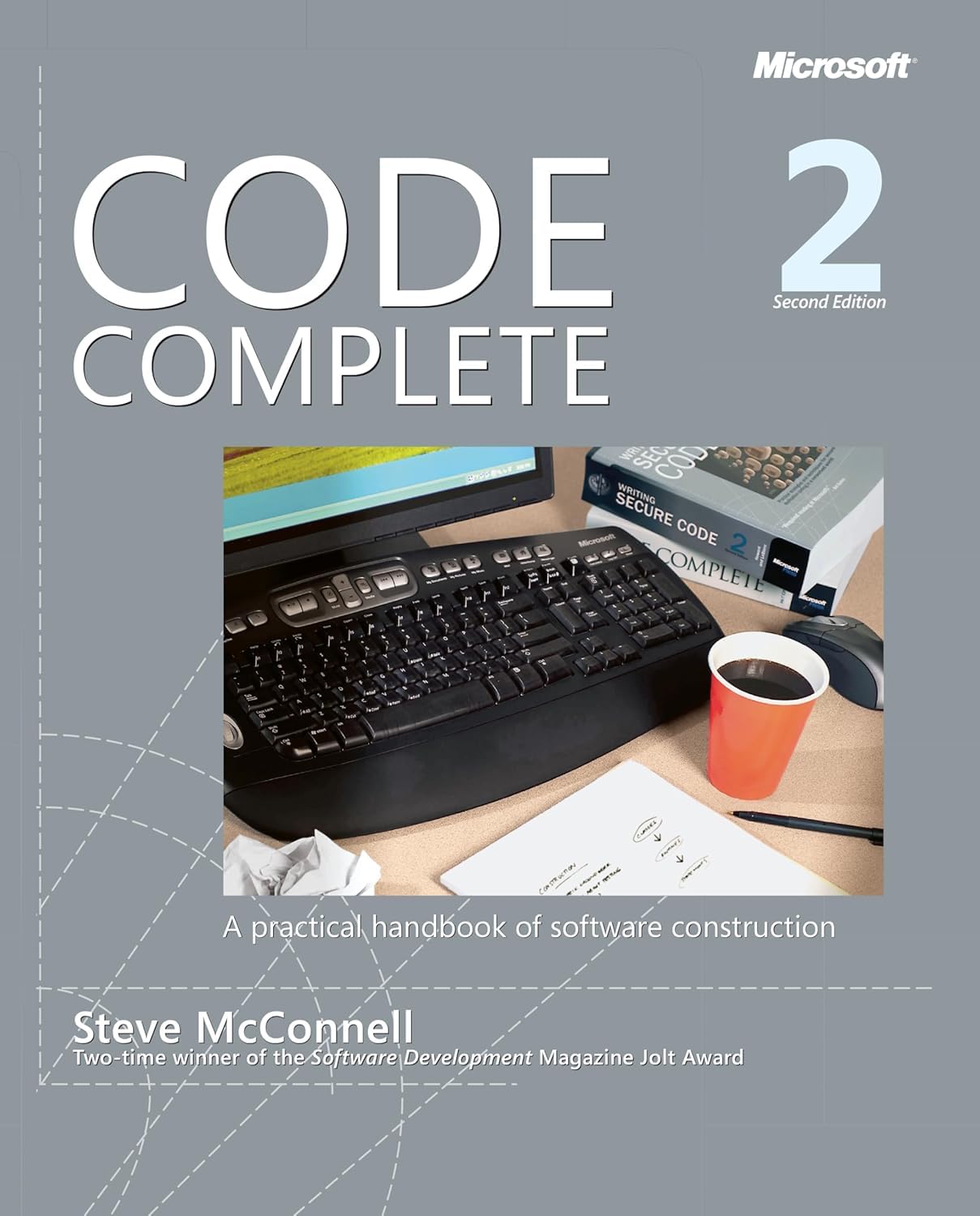
Code Complete isn’t flashy. It’s thorough, thoughtful, and surprisingly comforting once you get past the size.
This is one of those programmer books you don’t fully appreciate early on. At first, it feels dense. Later, it feels reassuring. It covers fundamentals of building software in a way that reinforces good instincts and fills in gaps you didn’t know you had.
Programmers often come back to this book when things feel messy. When projects get large. When codebases start to sprawl. It doesn’t promise shortcuts. It offers structure.
And structure is something programmers keep needing again and again.
4. Refactoring

This is a book programmers grow into.
On a first read, refactoring sounds neat and logical. On a later read, after working with real legacy code, it feels essential. Refactoring gives names to changes programmers already make instinctively, and that clarity makes a big difference.
People come back to this book when they’re staring at code that technically works but feels wrong. It helps turn vague discomfort into deliberate improvement.
That’s why it’s not a one-time read. It becomes more useful the longer you’ve been programming.
5. The Mythical Man-Month
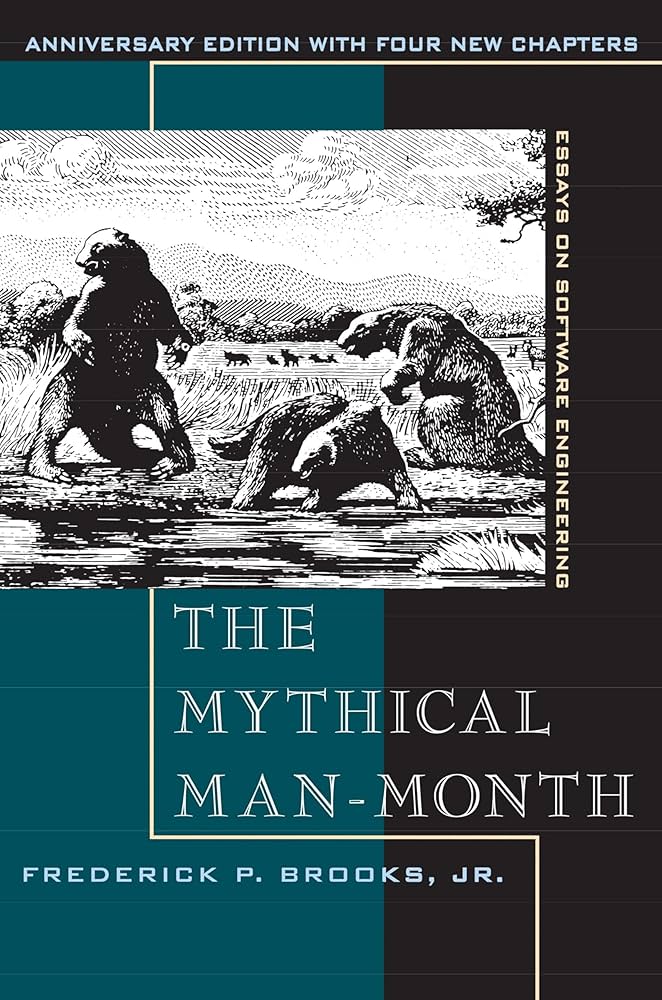
This book is old. And somehow, that’s the joke.
Despite being written decades ago, The Mythical Man-Month still describes problems programmers recognize immediately. Deadlines, communication breakdowns, unrealistic expectations, and the illusion that adding more people makes things faster.
Programmers reread this book because it explains why projects feel the way they do. It doesn’t blame individuals. It exposes systems.
The fact that it still feels current is both impressive and slightly unsettling.
6. Peopleware
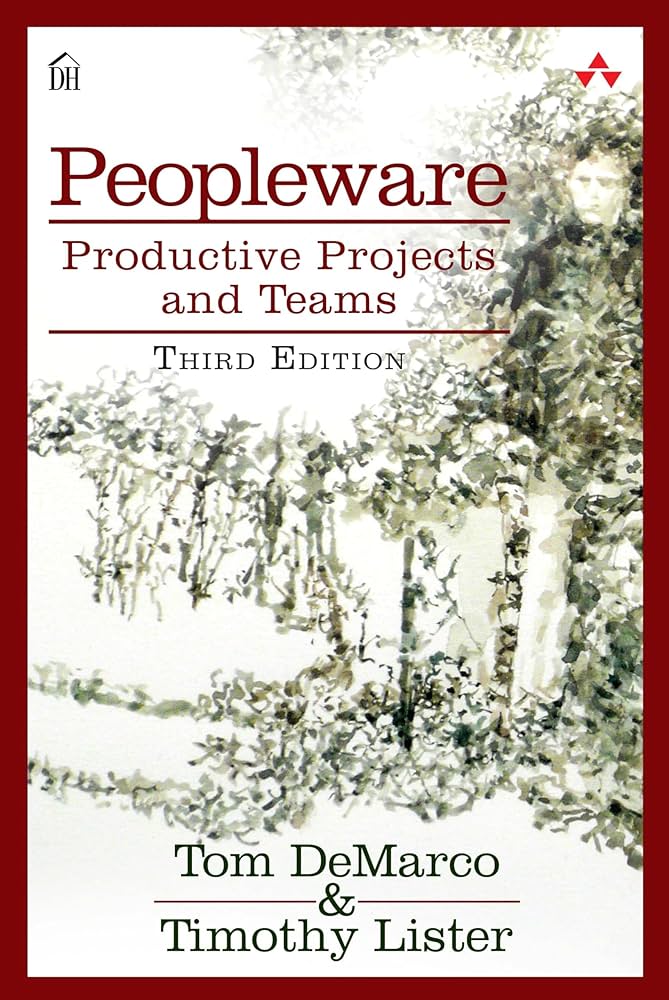
Most programmers don’t realize how much of their work is shaped by people, environment, and communication until something goes wrong. Peopleware puts that reality front and center.
This is one of those programmer books you come back to when technical skill alone isn’t solving the problem anymore. Team friction, interruptions, unrealistic expectations, and burnout all show up here in a way that feels uncomfortably familiar.
Programmers reread this book because it explains why good developers struggle in bad systems. And once you see that clearly, you can’t unsee it.
7. Design Patterns
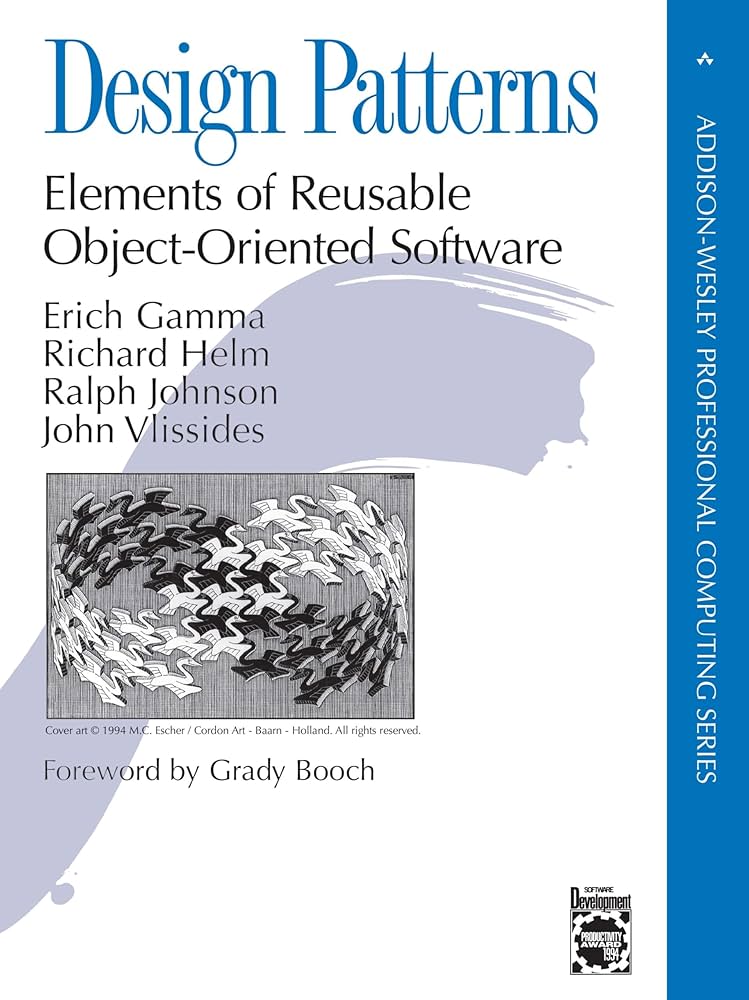
Very few programmers read Design Patterns from start to finish. That’s not how it’s meant to be used.
This is a reference book you return to repeatedly. You don’t read it when you’re bored. You read it when you’re stuck. When a solution feels clumsy and you suspect there’s a better structure hiding somewhere.
Over time, programmers don’t just reread this book. They recognize it in the wild. That’s when it really starts to click.
8. Working Effectively with Legacy Code

This is the book programmers don’t appreciate until they desperately need it.
Legacy code isn’t rare. It’s normal. And this book teaches you how to work with code you didn’t write, don’t fully understand, and can’t safely rewrite. That alone makes it one of the most revisited programmer books out there.
Programmers come back to this book whenever they inherit a system and need to make changes without breaking everything. Which is… often.
9. Soft Skills: The Software Developer’s Life Manual

Despite the title, this isn’t a fluffy book. It’s practical in a different way.
Programmers reread Soft Skills because technical ability alone doesn’t solve career stress, communication issues, or long-term sustainability. This book covers habits, mindset, and health in a way that respects the reality of developer life.
It’s the kind of book you revisit when you realize skill growth and life balance are connected.
10. The Python Programmer’s Survival Guide

This one earns its place for a different reason.
The Python Programmer’s Survival Guide isn’t a reference book or a manual. It’s a humor-first book about what programming actually feels like once the tutorials stop being polite. Late nights. Debugging spirals. Confidence swings. Code that works for reasons nobody fully understands.
Programmers come back to this book not to learn syntax, but to feel recognized. It’s the kind of book you pick up between heavier reads, or return to when coding feels frustrating and you need a reminder that you’re not alone in it.
That’s why it gets reread. Not for answers, but for perspective.
Why Programmer Books Get Better on the Second Read
The interesting thing about good programmer books is that they don’t actually change. You do.
On a first read, many ideas feel theoretical. Sensible, but distant. You understand the words, but you haven’t felt the problems yet. The advice makes sense, but it doesn’t always stick.
On a second or third read, something shifts.
You recognize situations. You remember moments where a chapter would have helped. A warning suddenly feels familiar. A suggestion feels earned instead of abstract. The book hasn’t become smarter. Your experience has caught up.
That’s why programmers reread these books. Not to memorize them, but to reinterpret them. A chapter that once felt obvious can suddenly feel painfully accurate after a difficult project. A passage you skipped before might now feel like it was written directly for you.
Good programmer books grow alongside your career. They meet you at different stages and say slightly different things each time. That’s what makes them worth keeping close, even as everything else in tech keeps changing.
They don’t give new answers.
They help you understand old ones better.
How to Choose the Right Programmer Books for You
With so many programmer books out there, the hardest part isn’t finding recommendations. It’s figuring out which ones actually fit where you are right now.
If you’re early in your journey, programmer books that focus on mindset, habits, and fundamentals tend to be more valuable than deep technical references. Books that explain how programmers think, debug, and grow will help you build confidence without overwhelming you.
If you’re more experienced, you might find yourself returning to programmer books that deal with structure, refactoring, and working with other people. At that stage, the challenges are less about syntax and more about maintaining clarity, making trade-offs, and navigating real-world constraints.
It also helps to think about why you’re picking up a book.
Are you looking for guidance? Reassurance? A deeper understanding of your craft? Or just something familiar that reminds you why you enjoy programming in the first place?
The best programmer books aren’t always the most technical ones. They’re the ones that speak to the problems you’re actually facing. And that can change over time.
Choosing the right book isn’t about building the perfect reading list.
It’s about finding the one that makes the next stage of your journey feel a little clearer.
Let's Wrap Up: The Best Programmer Books Grow With You
Most programmer books are useful once. They teach you something specific, solve a problem you had at the time, and then quietly step aside. The books that stay with you do something different. They grow alongside you.
As your experience changes, these programmer books reveal new layers. What once felt theoretical starts to feel familiar. What once felt obvious starts to feel important. You don’t reread them because you forgot what they said, but because you finally understand what they meant.
That’s why rereading isn’t a sign you’re stuck. It’s a sign you’ve moved forward.
The best programmer books don’t promise shortcuts or instant mastery. They offer perspective, reassurance, and a way to make sense of work that’s often messy and unpredictable. They remind you that confusion is normal, trade-offs are unavoidable, and growth rarely looks dramatic in the moment.
If a book keeps finding its way back into your hands, that’s usually a good sign. It means it still has something to say to you.
And in a field where almost everything changes, that kind of consistency is worth holding on to.
Also Read: Top 10 Best Python Books of All Time